back
back 
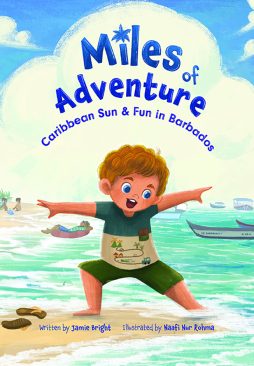
In our home, language is always an exciting journey. We speak both American English and French to our son, and at preschool here in New Zealand, he hears Kiwi English and Māori. Every day, he’s surrounded by different sounds, expressions, and rhythms from these languages. Inspired by the Bajan dialect in Miles of Adventure: Caribbean Sun and Fun in Barbados, I want to share how you can turn language exploration into a fun, family-friendly activity that enriches your child’s understanding of the world.
Why Explore Dialects?
Dialects are like cultural fingerprints—unique to each place, shaped by history, and full of character. Our son is already starting to notice differences between how we speak at home and how his friends speak at school. It’s fascinating to see him embrace these new words and phrases! In Miles of Adventure, Miles hears words like “wunna” and “ting” in the Bajan dialect, bringing a special rhythm to conversations. Introducing your child to dialects not only sharpens their language skills but also helps them appreciate the diversity of our global community.
Here are some ways you can create similar language-learning experiences with your own children:
1. Dialect Discovery Together
Activity: Create a “Dialect Discovery” chart with your child. In our house, we list fun phrases from both American and Kiwi English. It’s become a playful activity to compare the words we use for everyday things like “cookies” versus “biscuits.” You can also explore dialects from places you’ve traveled or dream of visiting. This helps children understand how language reflects local culture and history.
2. Language Swap Day
Activity: Every so often, we dedicate a day to “Language Swap.” We use French expressions around the house, and our son tries out some Māori words he’s learned at preschool. It’s a simple, fun way to celebrate language diversity. You can do the same by choosing a dialect or language and encouraging your child to use new words throughout the day. This hands-on experience helps language learning stick.
3. Dialect Storytime
Activity: Reading together is a special time for us, and we often like to mix in some French phrases during storytime. You can try this with any dialect or language, whether it’s from a book or one you’re exploring. Adding unique expressions and dialect phrases shows how language can paint vivid pictures in storytelling and create a strong sense of place.
4. Word Map Adventure
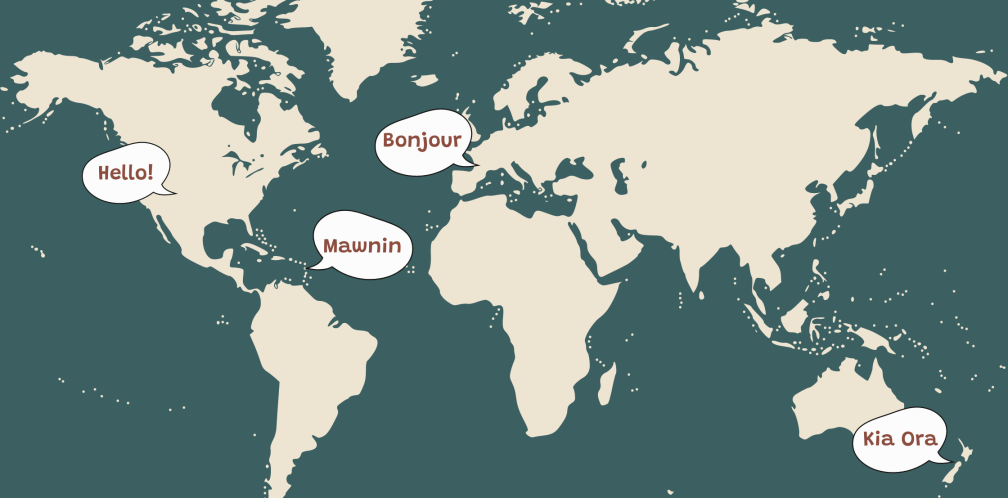
Activity: We’ve started creating a “Map of Words” for our son, with sections for France, the U.S., New Zealand, and Barbados. Each region has its own unique words and phrases. This visual tool helps kids connect language with geography, making the world feel a little smaller and more connected.
Building Connections Through Language
In our home, language has become more than just words—it’s a bridge to understanding the cultures and people that shape our world. Here are some ways we’ve made learning languages an enriching experience, and how you can too:
Encourage Questions:
Our son loves to ask questions, especially when he hears new Māori words at preschool. We always try to answer with enthusiasm, which fuels his curiosity. Create a space where your child feels comfortable asking about the languages they hear. Their curiosity will drive their learning, and it’s a chance for you to explore new things together.
Celebrate Multilingualism:
Speaking both English and French at home gives us a unique opportunity to celebrate our multilingual family, and we make sure our son feels proud of both. If your family speaks more than one language, celebrate it! Share stories about where those languages come from and how they connect you to your heritage or travels.
Explore Multicultural Books:
We love introducing our son to books that reflect the diverse cultures and languages of the world. Books like Miles of Adventure can open up discussions about different dialects, but there are so many stories from around the globe that showcase language in beautiful ways. Building a diverse bookshelf is one way to spark a love for learning and cultural appreciation.
Language Exchange with Friends:
In our neighborhood, we’re lucky to have friends who speak different languages. When we get together, it’s like a mini language exchange for the kids. If you have friends from different cultural backgrounds, invite them over for playdates where children can share words and phrases from their languages. It’s a great way for kids to learn—and a lot of fun too!
What’s Next?
Curious to learn more? Be sure to check out Miles of Adventure: Caribbean Sun and Fun in Barbados—a vibrant story that introduces children to the lively Bajan dialect, while teaching them about the beauty of language and cultural exchange.
Get Inspired with Miles
Join us for family-friendly crafts, cooking fun, and Miles of Adventure updates!